Cracked, root-split or rusted thin: what a failing line looks like
Old cast iron does not usually fail in one afternoon. It scales over, rusts thin, cracks, and lets tree roots into the joints. What the household sees is the same short list every failing line produces: slow drains, bad odors, water backing up, a changed water level in the toilet, more than one fixture acting up at once.
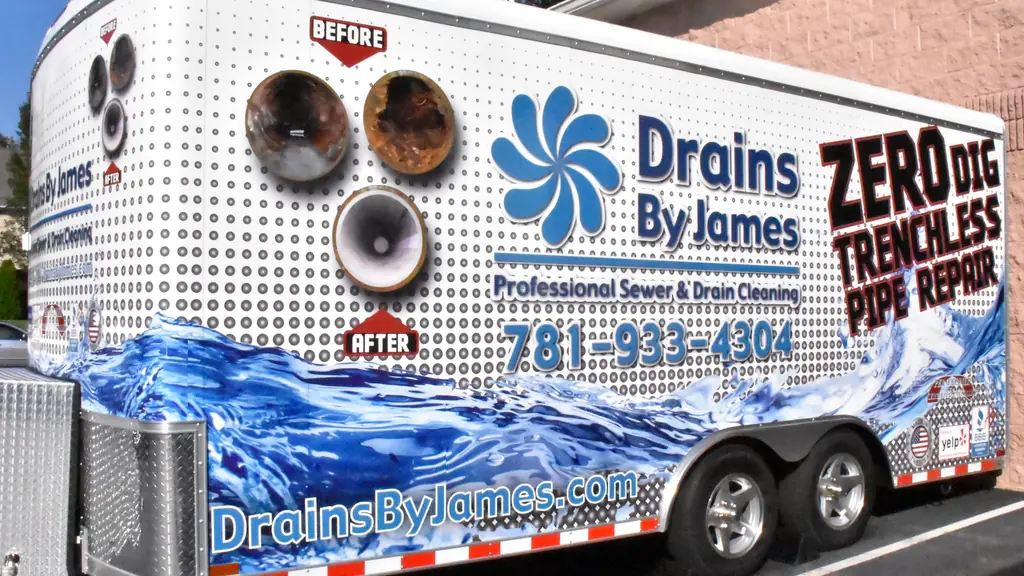
For years the answer to a pipe in that condition was a trench. Dig the yard, cut the old pipe out, lay a new one, then pay again to put back whatever the excavation took. Pipe lining is the zero-dig answer. Drains By James repairs the pipe where it already sits, with no excavation, no landscaping restoration and no heavy machinery on the lawn.
Cast iron can be restored this way, and just about any pipe is typically a candidate. A camera inspection confirms it before any repair is quoted, so the call is made from what is actually inside the line.
Camera, jet, liner: how the old pipe becomes a new one
It starts with the camera. The technician runs it down the line to see the damage, then hydro jets the inside to clear scale and debris so the liner has clean pipe to sit against. That prep step is the same hydro jetting Drains By James does for stubborn clogs, put to work as groundwork for a repair.
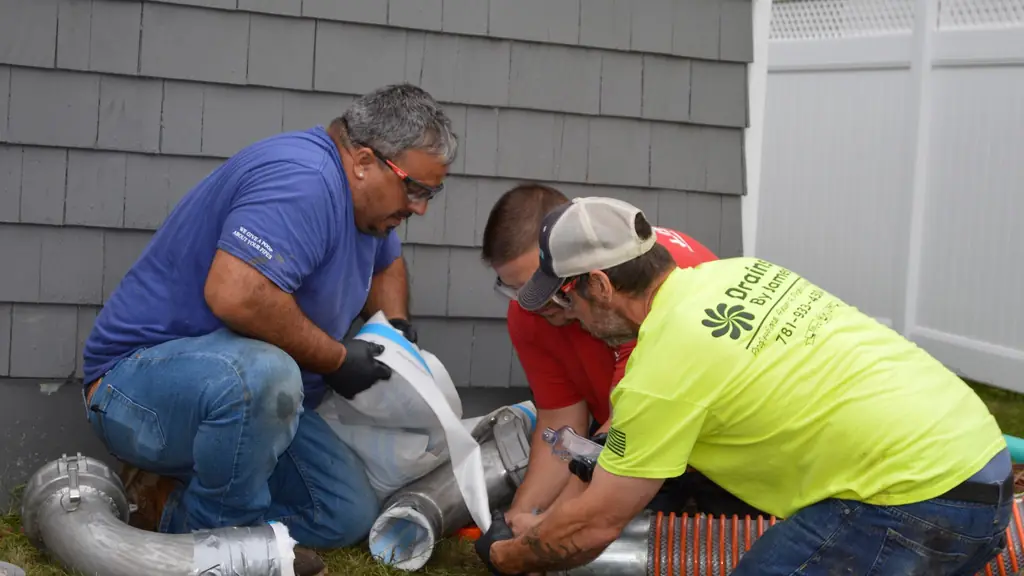
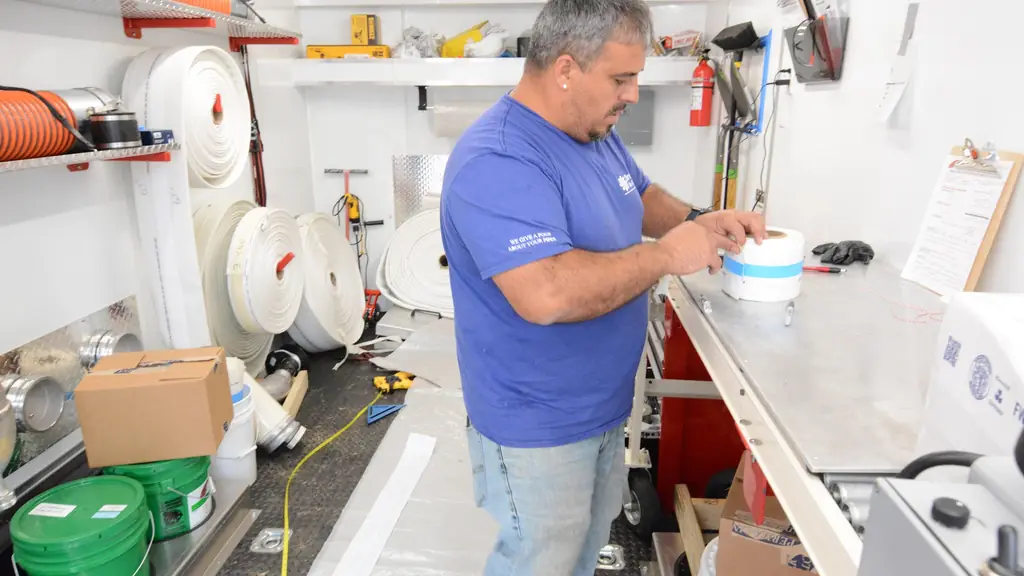
Next, a resin-coated liner is inverted into the old pipe and left to cure. Cured in place, it becomes a like-new pipe inside of the old one. The old pipe stays in the ground, which is why the method is described as environmentally friendly: nothing is hauled out and nothing is dug up.
When the trouble is a hole or a patch of rust damage and not the whole run, inversion and patch repair covers it. A VERSA patch repair is made for exactly that spot, which can keep a small failure from turning into a full-length job.
After the liner goes in: the curing window and the 50-year figure
The resin needs time to cure, and that is the one thing the household has to do. Drains By James is plain about it: the client must ensure the pipes are not used during the resin curing period as instructed by the technician. Plan toilets, sinks and laundry around that window, and ask how long it runs for your line.
With proper care, cured-in-place pipe lining results can last 50 years or more. One Google reviewer with a 4 inch iron line running from the house to the septic tank wrote that the crew's three passes with specialized machines were "effectively saving the iron pipe and making it 'like new'."
New customers get $500 off any pipe lining repair. Lining is not on the published price list, so the number for your line comes by phone, after the camera has been down it.