Cast Iron Sewer Pipe: Reline It or Dig It Up?
Cured-in-place lining puts a new pipe inside the old one, and the lawn stays where it is.
October 20, 2026 · 4 min read
If your house is old enough, there's a good chance the sewer line under it is cast iron. It was a tough, trusted material for a long time, and plenty of those pipes are still carrying waste today. But tough isn't the same as forever.
When an old cast iron line starts to fail, most people picture an excavator in the front yard, a trench across the driveway and a long list of landscaping to redo. That used to be the only way. It isn't anymore.
How cast iron wears out
Cast iron fails from the inside. Water and waste slowly corrode the pipe wall, and rust builds into rough scale that narrows the opening. Over many years the wall can thin, and joints can loosen or crack. Roots find those weak points and move in. Each stage makes the next one worse.
The warning signs look like any other sewer trouble: slow drains throughout the house, gurgling, odors, a backup that keeps returning after it's cleared. A camera inspection is how you learn whether the cause is a pipe that can be cleaned and relined, or something more serious.
What relining actually is
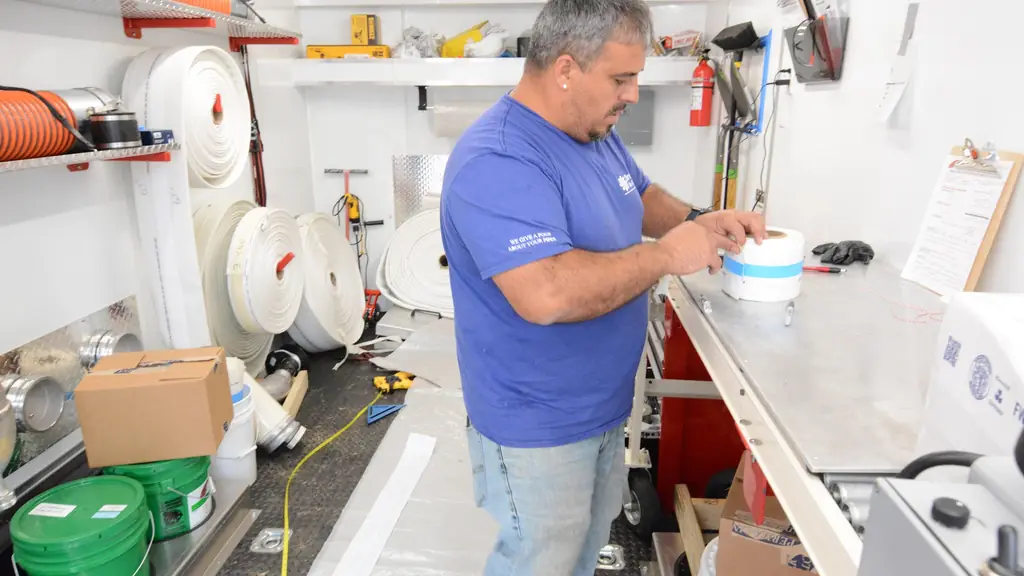
Trenchless pipe lining goes by a few names, including cured in place pipelining, or CIPP. The idea is simple. Instead of removing the old pipe, you build a new one inside it. Drains By James describes the process in these steps:
- A camera inspection shows the condition of the existing pipe.
- Hydro jetting cleans out roots, scale and debris so the liner can bond to a clean surface.
- A flexible liner coated in resin is inverted, turned inside out as it's fed into the old pipe.
- The resin cures and hardens into a like-new pipe inside of the old one.
The finished result is a smooth, jointless pipe lining the original. Because it's smooth, there are no rough edges for roots or debris to catch on, and no joints for roots to enter.
Why people choose relining over digging
The biggest reason is what doesn't happen. There's no trench across the property. There's no heavy machinery chewing up the yard, and no landscaping to restore afterward: the lawn, the shrubs, the walkway and the driveway stay put. Drains By James also points out that the method is environmentally friendly, since the old pipe stays in the ground instead of being hauled out.
Then there's the pipe itself. Drains By James says cast iron can be restored by lining, and that just about any pipe is typically restorable. With proper care, a lined pipe can last 50 years or more. That's a long horizon for a repair that doesn't require a single day of digging.
Houses with finished basements, tight lots, mature trees or a driveway over the line benefit most. Nobody wants to find out what's buried under the patio by tearing it up.
When the answer might still be different
Relining isn't magic, and the camera has the final say. A pipe that has fully collapsed, or one with a severe offset, may not accept a liner the way a continuous but rough pipe does. That's the reason inspection comes first: you don't want to commit to a method before you can see the pipe.
For localized damage, there's another option. Drains By James also does inversion and patch repair, which patches holes and covers rust damage in a specific section. The footage decides between a full-length liner and a targeted patch.
What you'll need to do during the job
The one thing the homeowner controls is water. While the resin cures, the pipes can't be used. Drains By James states that the client must ensure the pipes are not used during the resin curing period, as instructed by the technician. Practically, that means no flushing, no running sinks, no laundry and no dishwasher until you're told it's safe.
- Ask the technician how long to stay off the plumbing and follow it to the letter.
- Warn everyone in the house, including tenants and guests, before the job starts.
- Plan ahead for bathroom and laundry needs during the cure window.
A short stretch of discipline is a small price when the alternative is a trench.
Cost, and the offer for new customers
Pipe lining isn't on the published price list, because the cost depends on the length, diameter and condition of the line. That's why the first step is a look inside: a video inspection is $489 (two hour minimum, $300 per hour after that), and it gives you a real basis for a quote.
Drains By James is offering $500 off for any pipe lining repair for new customers. They use their own in-house technicians, with no subcontractors, and they've been at this since 2007.
If you've got cast iron and a line that keeps misbehaving, get the camera in first and decide after you've seen it. To schedule, call 781-933-4304. The shop in Wilmington is open 24 hours.
Drains By James Inc., 781-933-4304
Call 781-933-4304More articles
Why the Same Drain Keeps Clogging, and What Actually Stops It
A repeat clog usually means the cause is still sitting in the pipe, so the fix has to reach it.
What a Sewer Camera Inspection Shows Before You Buy an Older House
The pipe under the lawn is the one part of an old house nobody can see, until a camera goes in.