What a Sewer Camera Inspection Shows Before You Buy an Older House
The pipe under the lawn is the one part of an old house nobody can see, until a camera goes in.
October 20, 2026 · 4 min read
The kitchen has been redone. The roof is newer. The floors are original and gorgeous. Then your eye drifts to the one thing nobody can see: the pipe that carries everything out of the house and underground to the street or the septic tank.
In older homes around Wilmington and the towns north of Boston, that pipe may be decades old, or older. A walk-through can't tell you what shape it's in. A sewer camera can, and it's worth knowing what it shows before you sign anything.
What the camera actually does
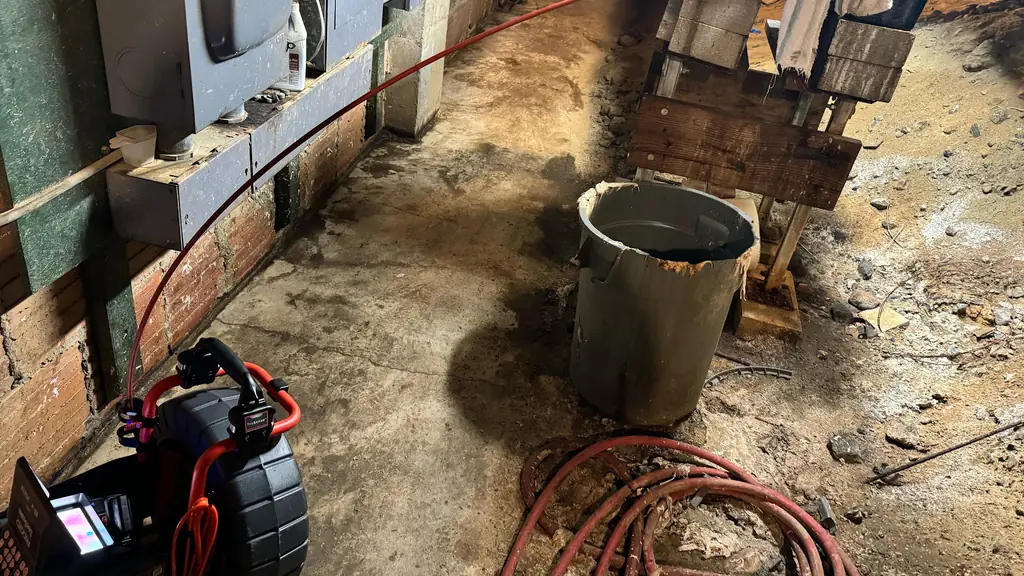
A sewer camera inspection sends a waterproof camera head down the line on a flexible cable. A technician watches the live picture on a monitor as the camera moves from the cleanout or other access point toward the street or the septic system. Drains By James offers camera inspections of sewer lines and many other types of drains, and the service includes locating and a USB copy of the recording.
The point is to replace guessing with evidence. Without a camera, the only way to learn what's wrong with a buried pipe is to dig, and exploratory digging is slow, messy and expensive. The camera lets a technician see inside without opening up the yard.
What it can show you
Older houses tend to have older pipe materials, and each material has its own habits. These are the things a camera commonly reveals:
- Roots growing in through joints or cracks.
- Scale and rust buildup narrowing the inside of a cast iron or galvanized pipe.
- Offsets, where two pipe sections no longer line up.
- Bellies, low spots where water and solids collect.
- Cracked, collapsed or broken sections.
- Grease or debris buildup that hasn't caused a backup yet.
None of those are unusual in houses with a long history. Finding one doesn't mean the house is a bad purchase. It means you learn about it before the closing table instead of after, when it's your problem and your repair bill.
Why locating matters
Locating means finding the pipe's path and depth from above ground. A transmitter in the camera head sends a signal that a handheld receiver picks up, so the technician can mark where the line runs and exactly where a problem sits.
That's useful twice over. If a section is damaged, you know where it is, which keeps repair quotes honest and the work targeted. And you learn where the line travels in relation to the big maple, the patio you're planning, or the spot you had in mind for a shed.
The USB copy gives you something to point at
A recording on a USB drive turns a technician's description into something you can show people. You can sit down with your real estate agent, your home inspector or a plumber and watch the same footage together. If the seller needs to see what you're talking about, they can. When you ask for a repair or a price adjustment, you're not asking on a hunch. You've got video.
It's also a baseline. Years from now, if the line acts up, you can compare the old footage with what a camera finds then.
What a camera inspection can't promise
Be realistic about what you're buying. Drains By James puts it plainly: a video inspection is a 'point-in-time' look at your pipes, and it doesn't guarantee that future clogs or issues won't occur. A line that looks clear today can still collect roots next spring. The camera tells you the condition on the day it ran.
It also only shows what the camera can reach. Ask the technician what they could and couldn't inspect, and whether any stretch of pipe was inaccessible. A straight answer matters more than a clean-looking video.
Questions worth asking at the end of the inspection
- What is the pipe made of, and how old does it look?
- Did the camera reach the street connection or the septic tank?
- Where exactly is any problem, and how deep is it?
- Is this a cleaning job, a lining candidate, or something that needs a different repair?
- Do I get the recording on a USB drive?
Timing and cost
The published price for a video inspection at Drains By James is $489, with a two hour minimum and $300 per hour after that. Set against what it costs to repair a failed sewer line, that's a modest line item on a house purchase. The shop is open 24 hours and appointments are available, so ask about scheduling once you know your inspection window.
If the footage turns up trouble, you've got options to weigh before you commit. Cleaning, hydro jetting or trenchless pipe lining may all be on the table depending on what the camera finds, and new customers get $500 off any pipe lining repair.
Buying an old house means buying its history, including the parts underground. To ask about a camera inspection, call Drains By James at 781-933-4304.
Drains By James Inc., 781-933-4304
Call 781-933-4304More articles
Why the Same Drain Keeps Clogging, and What Actually Stops It
A repeat clog usually means the cause is still sitting in the pipe, so the fix has to reach it.
Cast Iron Sewer Pipe: Reline It or Dig It Up?
Cured-in-place lining puts a new pipe inside the old one, and the lawn stays where it is.