Why the Same Drain Keeps Clogging, and What Actually Stops It
A repeat clog usually means the cause is still sitting in the pipe, so the fix has to reach it.
October 20, 2026 · 4 min read
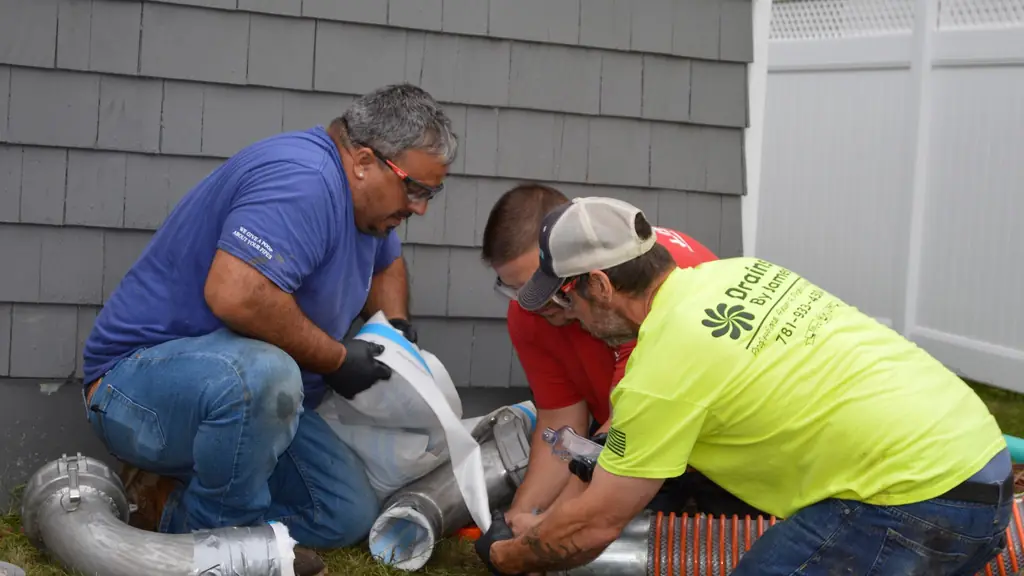
You snake the kitchen drain on Saturday. It runs fine for a few weeks. Then it slows down, starts to gurgle, and you're standing over the sink again with the same plunger and the same sigh.
A drain that clogs on repeat isn't bad luck. Something inside that pipe is giving the next clog a place to start. Clearing the water out of the way fixes the symptom, but if the cause stays put, the clog comes back. Here's what that cause usually is, and how to tell when a bigger fix makes sense.
What builds up inside a pipe over the years
Pipes don't stay smooth. Soap, skin oils and food residue settle on the pipe wall and form a slimy film called biofilm. Grease cools and sticks to that film, then catches hair, lint and bits of paper. Layer by layer, the opening shrinks. Water still gets through, just slower, and the narrow spot snags more with every use.
Older metal pipe adds its own problem. Cast iron and galvanized steel can develop scale, a rough crust of rust and mineral deposits that grows inward from the wall. A rough wall catches debris far better than a smooth one, so scale quietly makes every future clog easier to form.
None of this shows on the surface. The sink looks fine until the day it doesn't.
Roots and sagging lines: the causes outside the house
If the trouble is in the main line that leaves your house, think about what's growing nearby. Tree and shrub roots go looking for moisture, and a sewer line is full of it. A tiny crack or a loose joint is all a root hair needs to get inside. Once in, it thickens into a mat that traps everything flowing past.
Then there's the line itself. Soil shifts over decades. A section of pipe can settle and sag, leaving a shallow dip, sometimes called a belly, where water pools and solids drop out instead of traveling on. Roots and bellies both explain a clog that returns in the same spot no matter how many times it's cleared.
Drains By James lists tree roots, storm runoff, poor maintenance, line damage and pipe scale among the usual causes of sewer trouble. The warning signs are familiar: more than one drain acting up, odors, gurgling, a change in the water level in the toilet bowl, or water backing up.
When a snake does the job, and when it doesn't
A drain snake, also called an auger, is the right tool for a single blockage: a wad of hair in a tub drain, a stuck mass in a toilet trap. It bores through the clog and restores flow. That's real work, and often it's all you need.
But a snake cuts a channel. It doesn't scrape the walls clean. If grease, scale or roots lined the pipe before the clog formed, they're still there afterward, just with a hole punched through the middle. The pipe is back in service and primed to clog again.
That's the pattern to watch for. These are signs that snaking has stopped being enough:
- The same drain slows down again within weeks or months.
- Several fixtures back up at once, not just one.
- Water gurgles in one drain when you run another.
- The clog keeps showing up in the same stretch of pipe.
- Your house is older and the pipe is cast iron, clay or galvanized steel.
Finding the real cause with a camera
Guessing is the expensive way to fix a repeat clog. A sewer camera is a small waterproof lens on the end of a flexible cable. It travels the length of the pipe and shows you what's actually there: roots entering at a joint, scale on the walls, a belly holding water, a cracked section. Drains By James offers camera inspections of sewer lines and many other types of drains, and the published price for a video inspection is $489 (two hour minimum, $300 per hour after that).
Once you can see the pipe, the next step gets clearer. Roots and scale call for hydro jetting, where high-pressure water scours the walls. A damaged but fixable line may be a candidate for trenchless pipe lining, which puts a new pipe inside the old one without tearing up the yard. A single stubborn blockage might just need another pass with the auger.
What to do the next time it slows down
Start by noting where it happens. One drain, or several? Does it only clog after the dishwasher runs, or after a heavy laundry day? Details like these help a technician narrow down the cause quickly.
For a single inside drain, the published price at Drains By James is $289 for any inside drain 2 inches or less, which covers sink, tub and floor drains. If it's the main line, a main sewer line cleaning up to 100 feet is $489. They also list special pricing for preventative maintenance and multiple-drain work, which can make sense for a building where drains clog on a regular basis.
Try not to make chemical drain openers a habit. They act only on whatever they touch, and they sit in the pipe while they do it. A repeat clog is a physical problem with a physical cause, and it needs a physical or visual answer.
Drains By James has served the area since 2007, with in-house technicians and no subcontractors, and the shop at 190 Main Street in Wilmington is open 24 hours. If a drain at your place keeps coming back, call 781-933-4304 and describe what you're seeing.
Drains By James Inc., 781-933-4304
Call 781-933-4304More articles
What a Sewer Camera Inspection Shows Before You Buy an Older House
The pipe under the lawn is the one part of an old house nobody can see, until a camera goes in.
Cast Iron Sewer Pipe: Reline It or Dig It Up?
Cured-in-place lining puts a new pipe inside the old one, and the lawn stays where it is.