Grease, Wipes and Fatbergs: What Never Belongs in Your Drains
The cheapest drain repair is the clog that never forms, and most of it comes down to a few habits.
October 20, 2026 · 4 min read
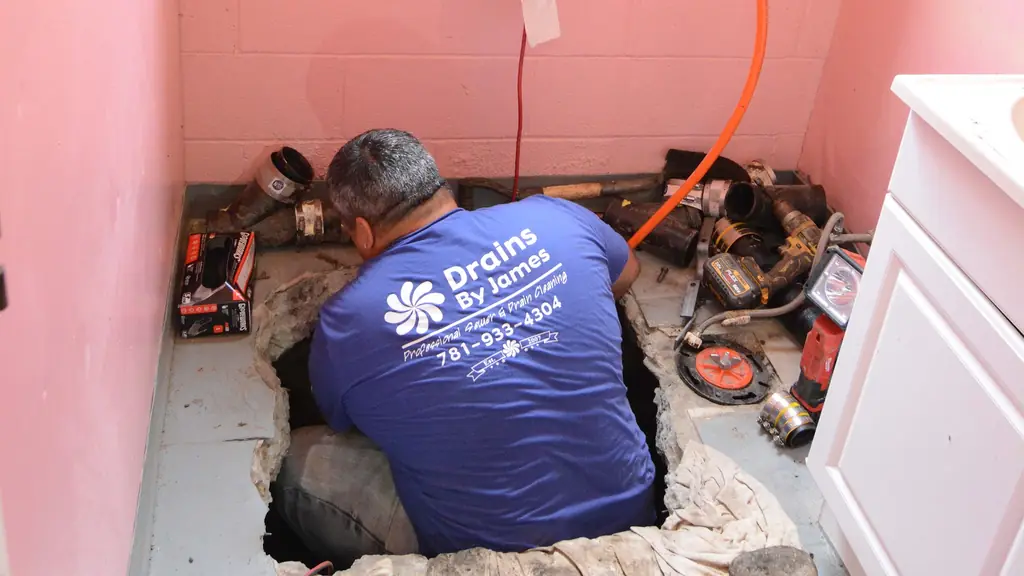
A fatberg sounds like a joke until you picture one. It's a solid mass of fat, grease, wipes and other debris that fuses together inside a sewer line and grows over time. Big ones make the news. Small ones live in kitchen drains and house sewer lines all over the North Shore, and they're why people call at odd hours with water backing up.
The good news is that a few habits keep most of it out of your pipes. Here's what to stop sending down the drain, and why.
Why grease is the main offender
Grease is a liquid when it's hot, so it seems harmless going down the sink. But as it moves into cooler pipe, it cools and solidifies. It coats the wall and hardens into a sticky layer that catches whatever follows: coffee grounds, food scraps, hair, soap residue. Every use adds another layer.
Running hot water doesn't solve it. The grease may travel a little farther down the line before it hardens, which just moves the clog out of sight and makes it harder to reach. The same goes for dish soap, which can break grease into smaller pieces without removing it from the system.
Kitchen habits that make a difference
- Let used cooking grease cool in a can or jar, then put it in the trash.
- Wipe greasy pans and plates with a paper towel before washing.
- Scrape food scraps into the trash or compost, not the sink.
- Use a sink strainer to catch what slips through.
- Keep coffee grounds, eggshells and rice out of the drain.
A garbage disposal helps with small scraps, but it doesn't make grease disappear. It just chops solids into smaller pieces that still travel into the same pipes. Drains By James services disposal lines, and a slow disposal line is often a grease problem in disguise.
The wipes problem
Toilet paper is designed to fall apart in water. Wipes aren't. Even products labeled flushable tend to hold together far longer than paper, and they snag on rough spots in the pipe, on roots, on scale and on other debris. A single wipe won't block a line, but wipes pile up in the same place, and a mat of them traps everything else.
The toilet is not a trash can. Flush toilet paper and human waste, and put the rest in the wastebasket:
- Wipes of any kind, including baby wipes and cleaning wipes.
- Paper towels and tissues.
- Cotton balls, cotton swabs and dental floss.
- Feminine products.
- Cat litter and pet waste bags.
How to tell a buildup is forming
Pipes give you hints before they fail. The kitchen sink drains a little slower than it used to. There's a smell you can't track down. The drain gurgles when you run the dishwasher or washing machine. Those signs line up with what Drains By James lists for drain trouble: slow drains, bad odors, gurgling and water backing up.
When you notice them, act early. A line with partial buildup can often be cleared with hydro jetting, which scours grease and debris off the pipe walls. Waiting until the water stops moving tends to mean a bigger job, and an emergency.
Maintenance beats emergency calls
If you manage a building, a rental property or a business, habits only go so far. Tenants, staff and guests don't all follow the rules. For that reason, Drains By James offers preventative maintenance contracts, and it lists special pricing for preventative maintenance and multiple-drain work. A scheduled cleaning keeps buildup from reaching the point where it backs up on a holiday weekend.
It also helps your budget. A planned visit is easier to price and schedule than an emergency, and emergency service is listed as call for pricing. After-hours surcharges also apply on weeknights and weekends, so a routine daytime visit costs less than a late-night one.
Restaurants and grease traps
Commercial kitchens produce grease all day. A grease trap sits in the drain line and catches it before it reaches the pipes, but the trap only works while it has room. Once it fills, grease passes through and starts coating the line behind it.
Cleaning is the way to keep a trap working. Drains By James lists grease trap cleaning at $429 for traps up to 40 gallons, and it also pumps septic and grease tanks. If you run a restaurant, putting trap cleaning on a regular schedule is much cheaper than clearing a backed-up line during service.
Start with one change
You don't have to overhaul your kitchen to see a difference. Pick one habit this week: a grease can by the stove, a strainer in the sink, a wastebasket within reach of the toilet. Small changes add up to years of free-flowing drains.
If your drains are already slow or you want a maintenance plan for a building, Drains By James is open 24 hours at 781-933-4304. The team has served customers since 2007 and works without subcontractors.
Drains By James Inc., 781-933-4304
Call 781-933-4304More articles
Why the Same Drain Keeps Clogging, and What Actually Stops It
A repeat clog usually means the cause is still sitting in the pipe, so the fix has to reach it.
What a Sewer Camera Inspection Shows Before You Buy an Older House
The pipe under the lawn is the one part of an old house nobody can see, until a camera goes in.